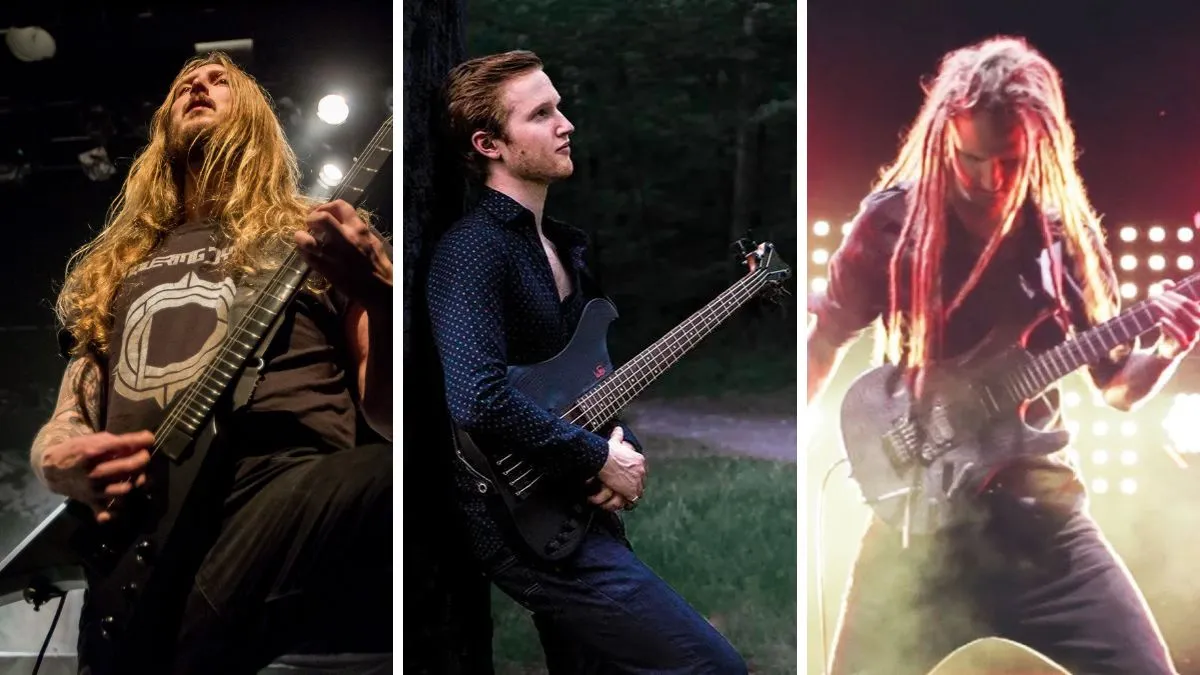
Three of the biggest guitar and bass YouTubers are going on tour to ‘Escape the Internet’ By Janelle Borg published 9 May 24 The aptly titled Escape The Internet Tour sees three YouTube guitar and bass behemoths tour together for the first time
“If I overplayed behind a singer, there’d be a guy waiting for me with a knife!” Marcus Miller looks back on his 2008 solo effort, Marcus By Chris Jisi published 9 May 24 Always in demand, Marcus Miller looks back on his 2008 solo effort, Marcus
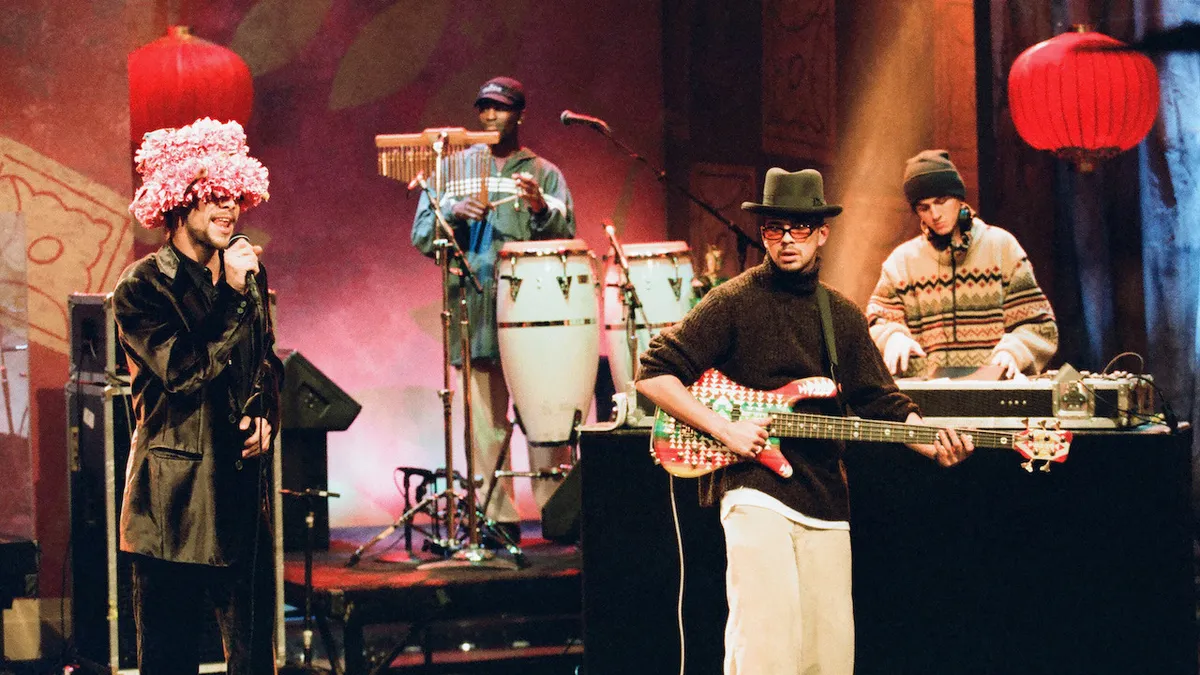
Listen to Stuart Zender’s isolated bassline on Jamiroquai's Virtual Insanity By Chris Jisi published 9 May 24 Stuart Zender made an audacious statement with this killer bassline from Jamiroquai’s Traveling Without Moving
Exercises for bass: 5 ways to improve your bass guitar technique By Nick Wells published 9 May 24 Whether you're a beginner or a pro, these 5 finger exercises will help all areas of your bass playing – from fret work and picking to ear training and theory
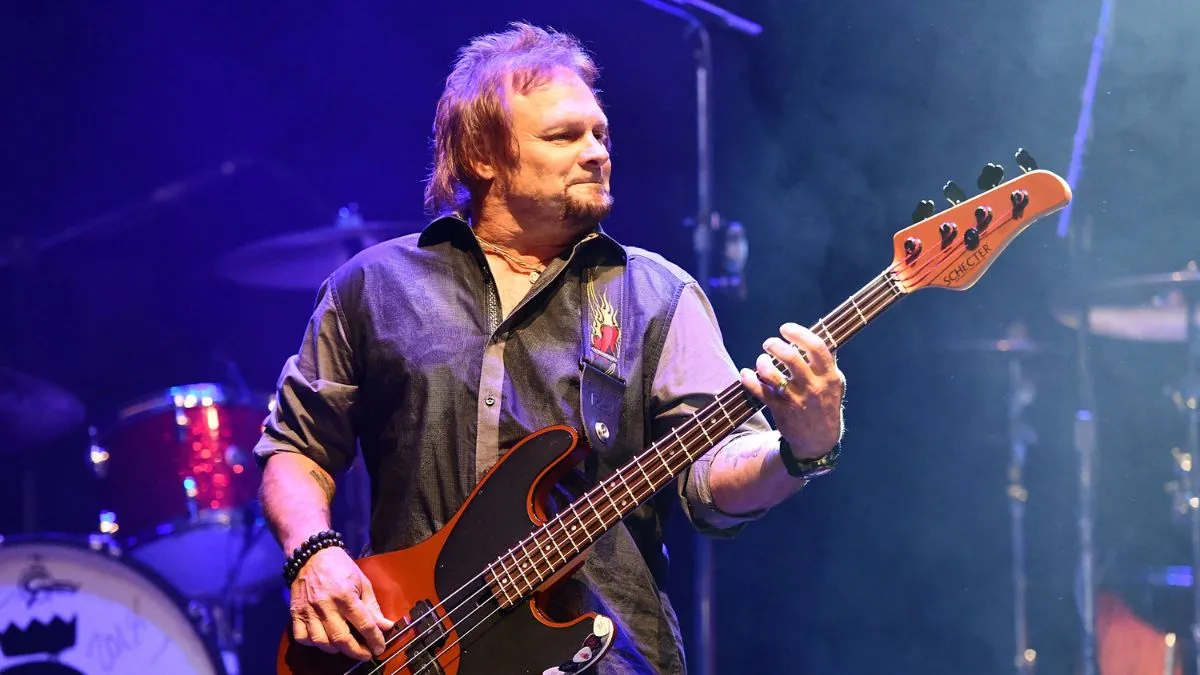
Van Halen bassist Michael Anthony sets the record straight on the much-rumored VH tribute project By Janelle Borg published 8 May 24 According to Michael Anthony, internal disputes have ruined the Van Halen tribute project's potential
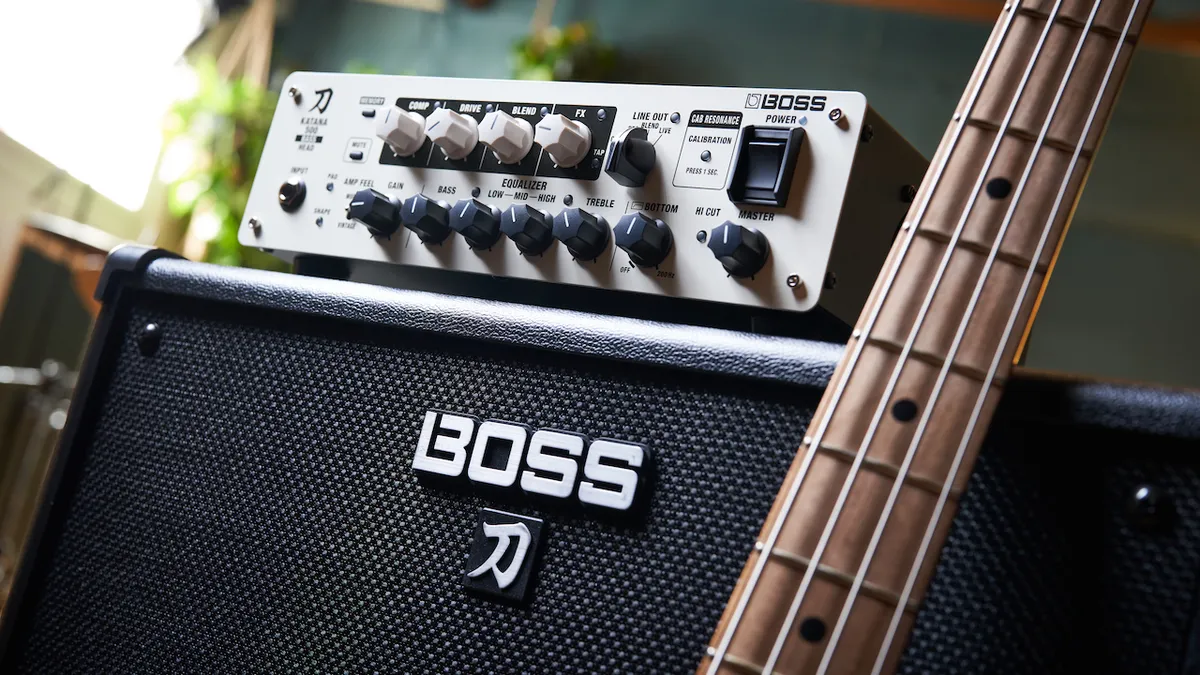
“You’d be hard-pushed to find a bass sound that you couldn’t gig with almost immediately”: Boss Katana-500 Bass Head review By Nick Wells published 7 May 24 This newly developed, feature-packed bass head features an Amp Feel switch and ‘Cabinet Resonance’ calibration technology to get the best from your cab – but is it a game-changer for bassists?
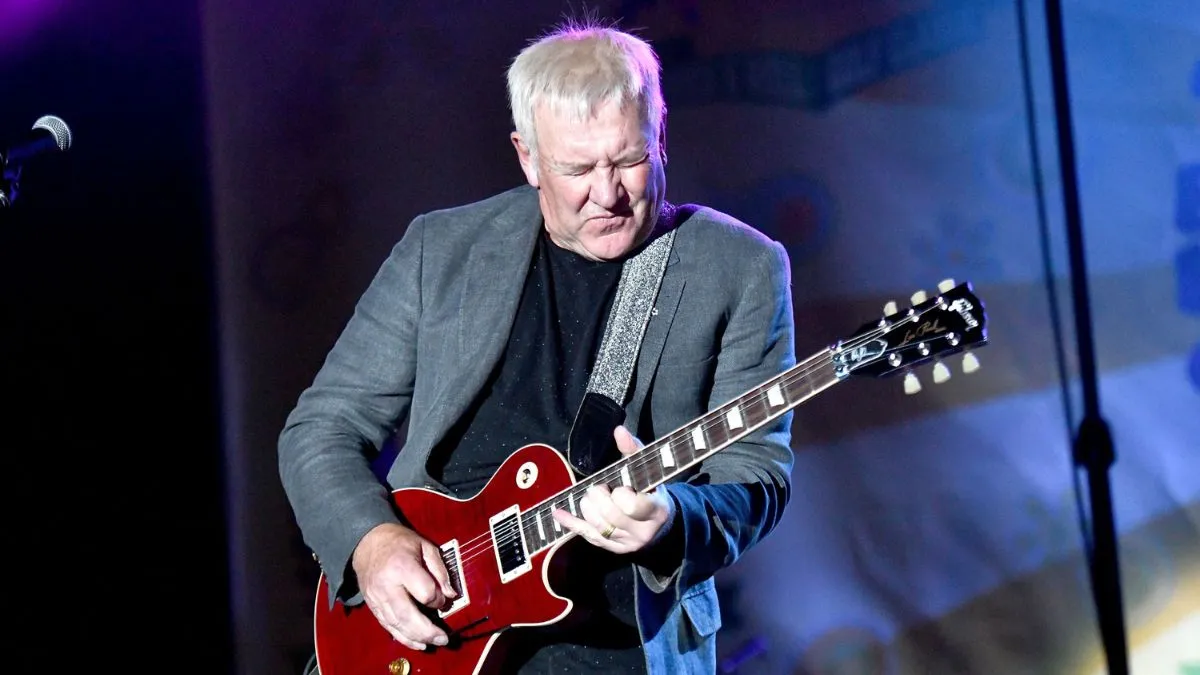
Alex Lifeson says he’s back to jamming with Geddy Lee – but they sound like a “really bad tribute band” By Janelle Borg published 7 May 24 Alex Lifeson sets the record straight on whether Rush will ever tour again
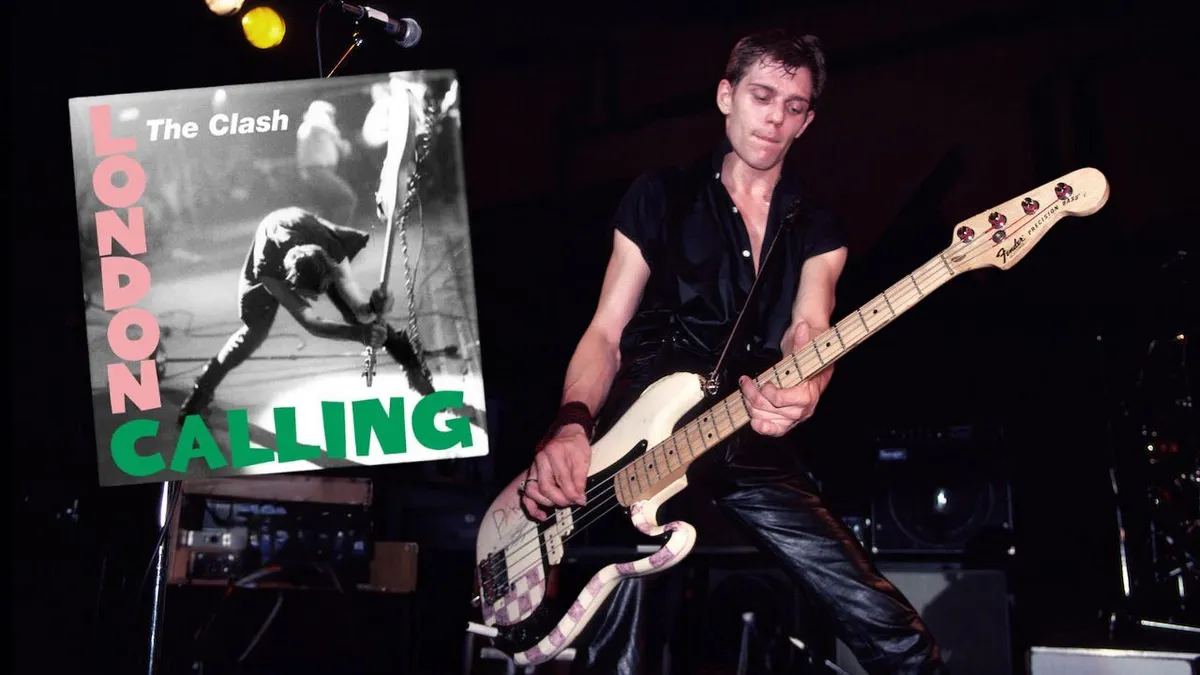
The Clash's Paul Simonon reflects on that iconic London Calling moment By Nick Wells published 7 May 24 Paul Simonon smashed his Fender P-Bass during a concert at New York’s Palladium on September 20th, 1979
The magic of Rocco Prestia’s bassline on Tower of Power’s Only So Much Oil in the Ground By Chris Jisi published 4 May 24 How to play Rocco Prestia’s classic Tower of Power bassline
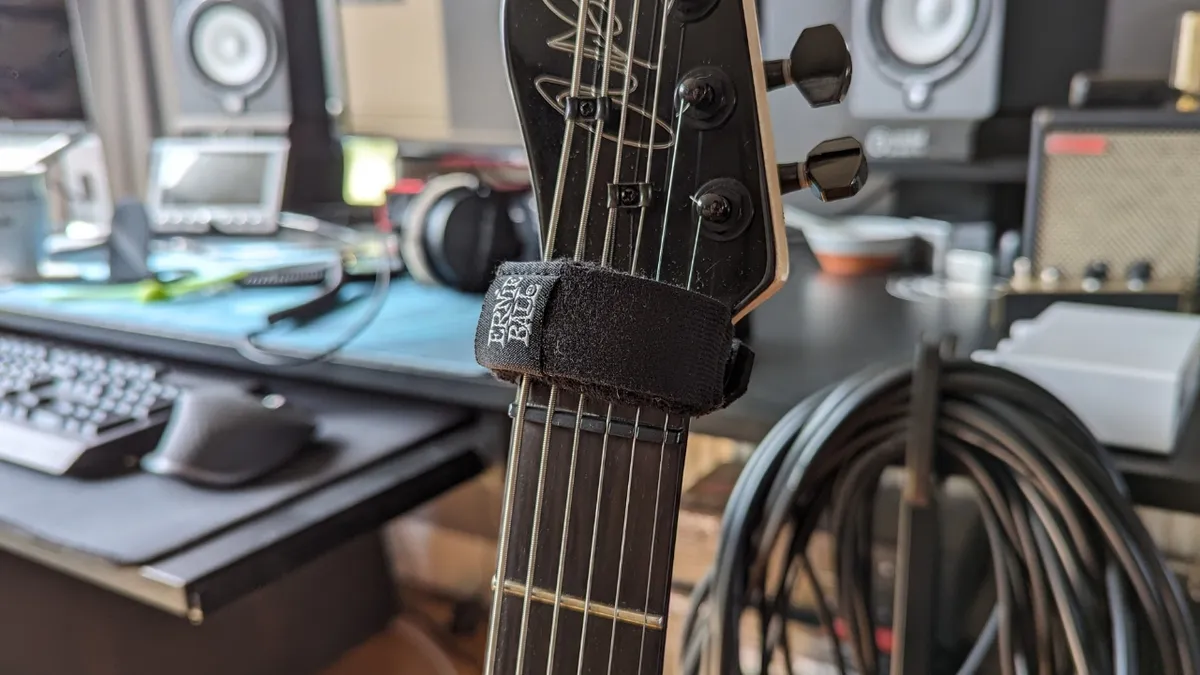
Everything you need to know about fretwraps: what are they and do you need one? By Matt McCracken published 3 May 24 Get the low down on this simple yet essential tool for guitarists
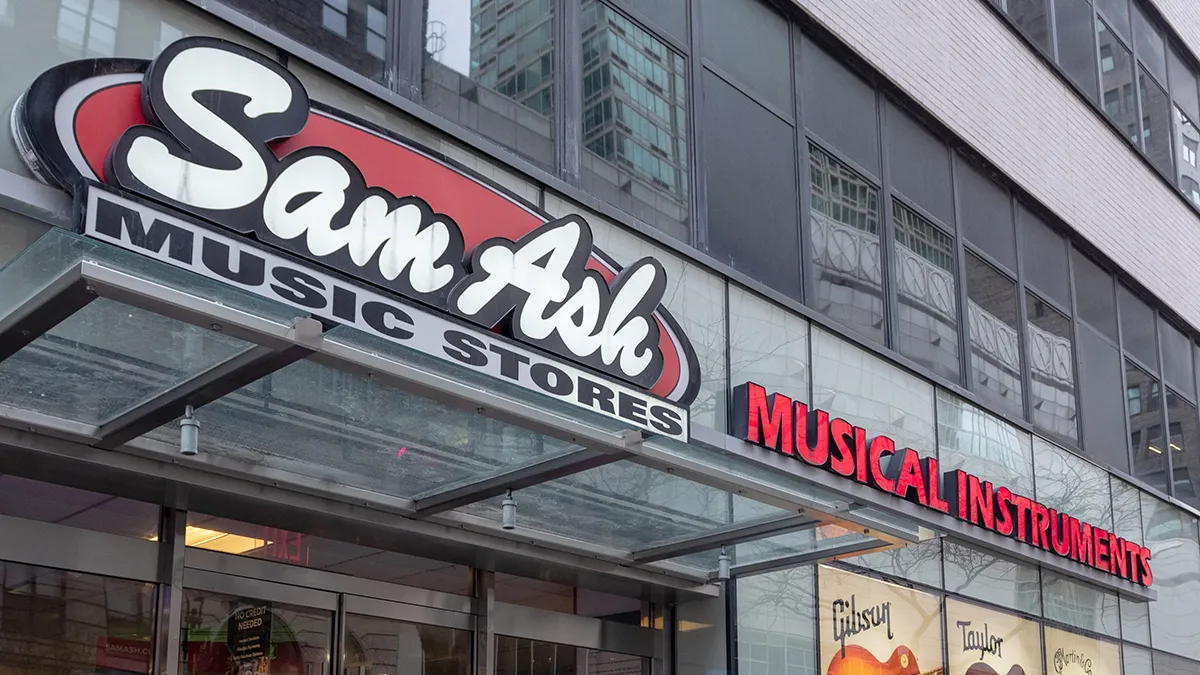
Sam Ash announces it will be officially closing all its stores By Phil Weller published 3 May 24 The family-run music equipment chain has been forced to close its stores, with a closing-down sale currently ongoing
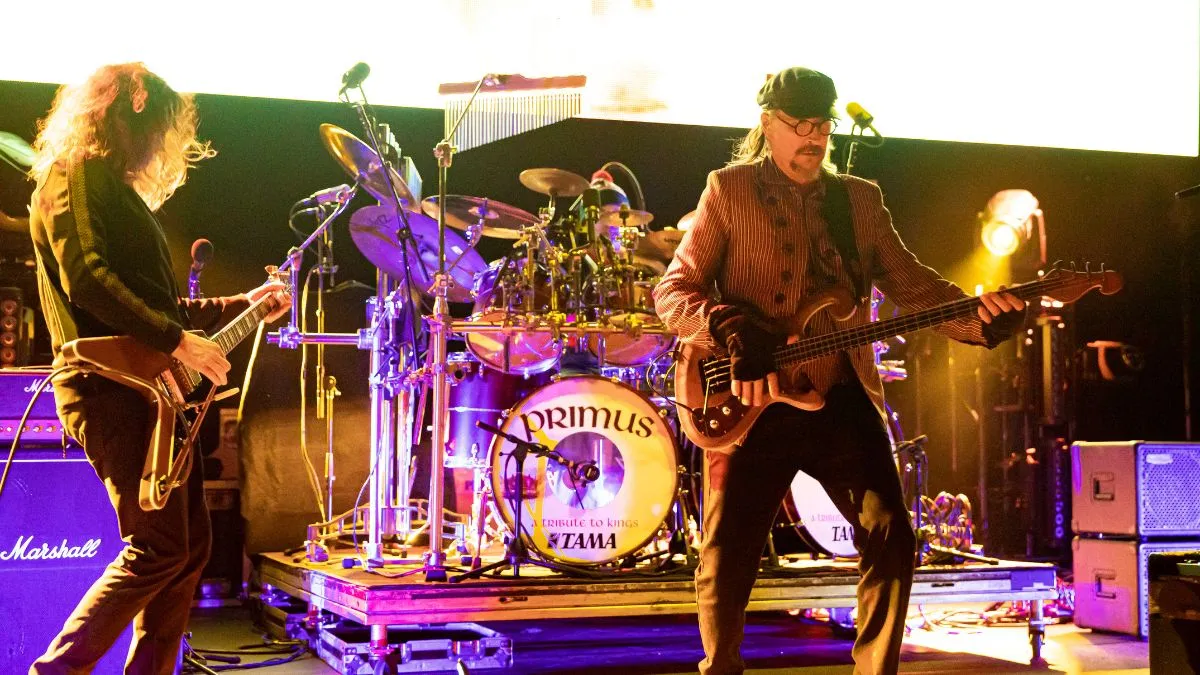
Primus' Les Claypool and Ler LaLonde were just forced to play a gig with brand new gear from Guitar Center By Janelle Borg published 2 May 24 The instruments the band purchased and played onstage are now set to be auctioned off, with all proceeds going to St. Judes Children’s Hospital
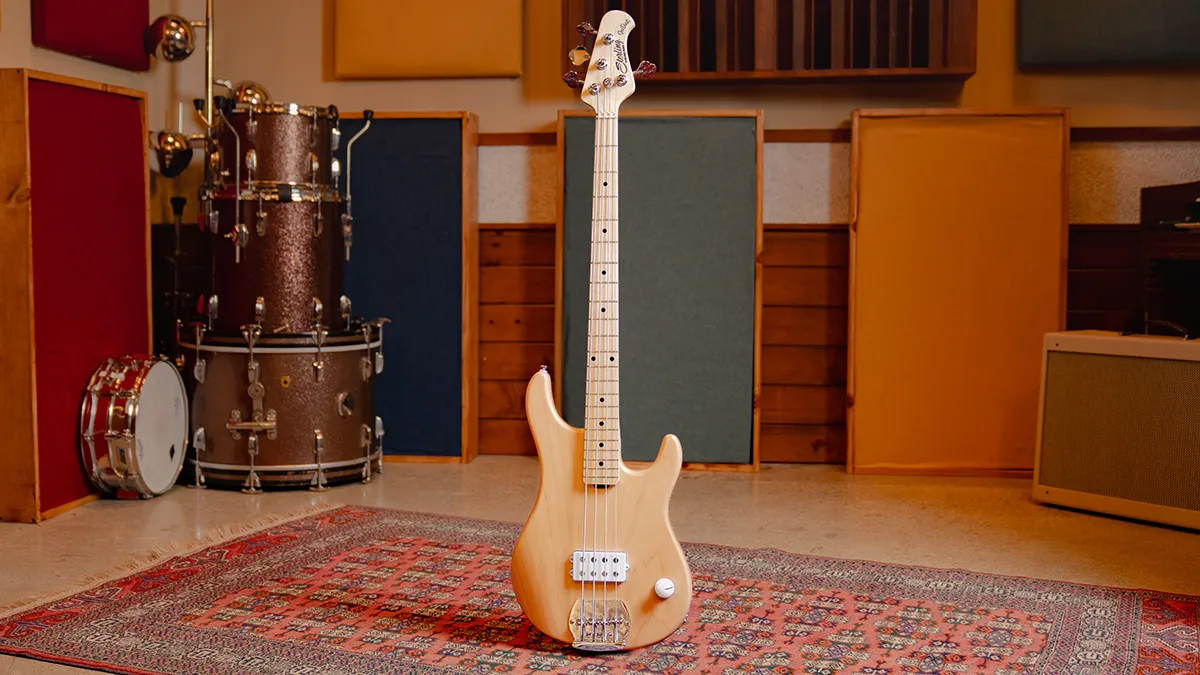
Sterling by Music Man’s first Joe Dart model is made-to-order and costs less than $400 By Matt Owen published 2 May 24 The Vulfpeck maestro's latest signature bass is another no-nonsense, minimalist workhorse – but it will only be available to order for a month
Best bass amps for practice 2024: top combos for working on your chops at home By Chris Schwarten last updated 2 May 24 Get the most out of your playing at home with one of these great bass practice amps
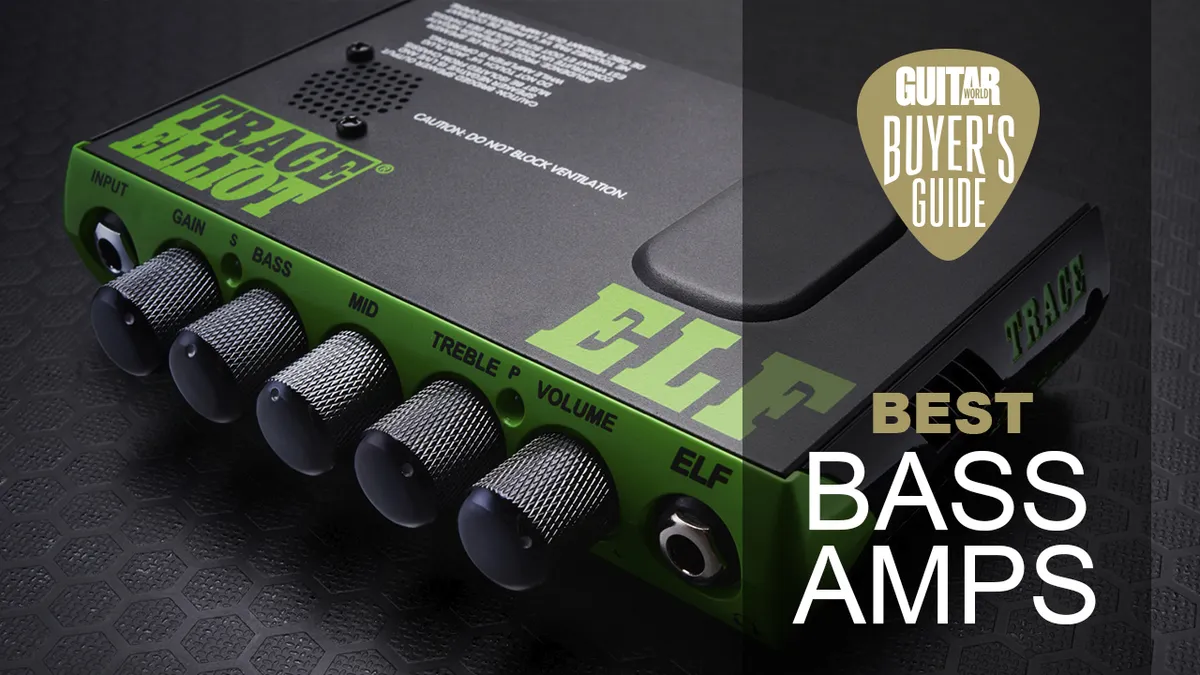
Best bass amps 2024: killer low-end amplification options for bassists By Jonathan Horsley last updated 30 April 24 Give yourself the gift of thunder with the best bass guitar amps money can buy – featuring Trace Elliot, Hartke, Ampeg and more
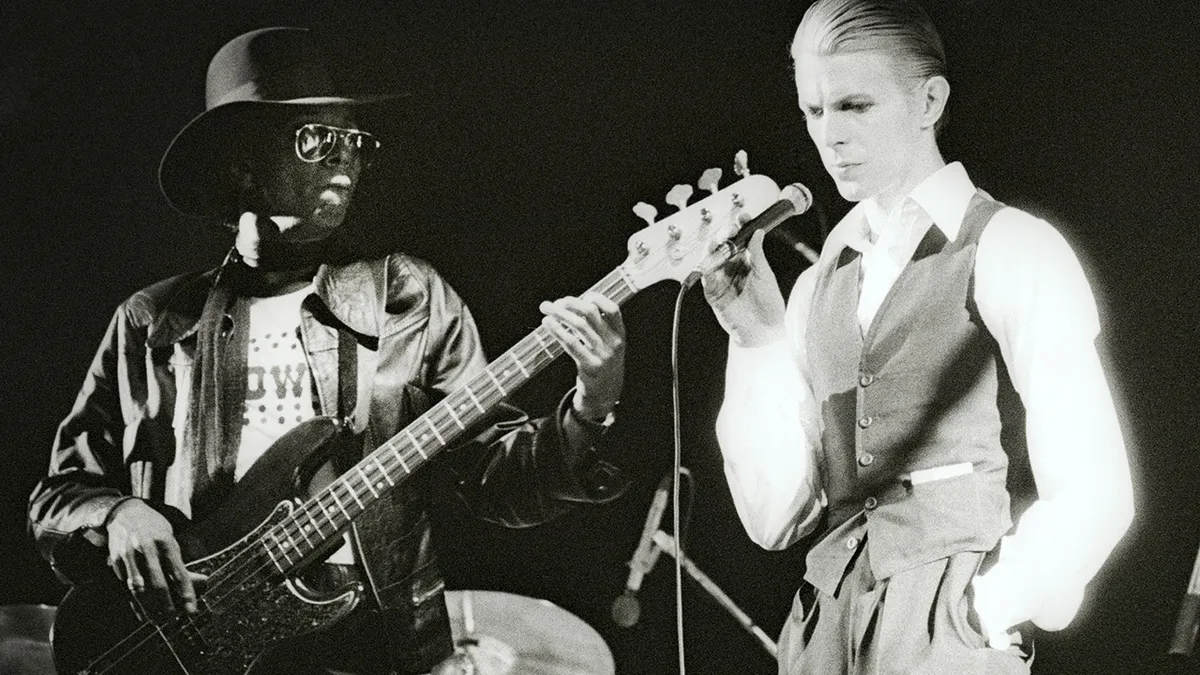
George Murray on his bittersweet ride with David Bowie By Andrew Daly published 29 April 24 The D.A.M. Trio bassist performed on a run of classic Bowie albums including Station to Station, Low and “Heroes”. He recalls nearly missing the call-up to catch a bus, meeting his replacement Carmine Rojas in an elevator (and what he nearly said), and the studio sessions that made music history
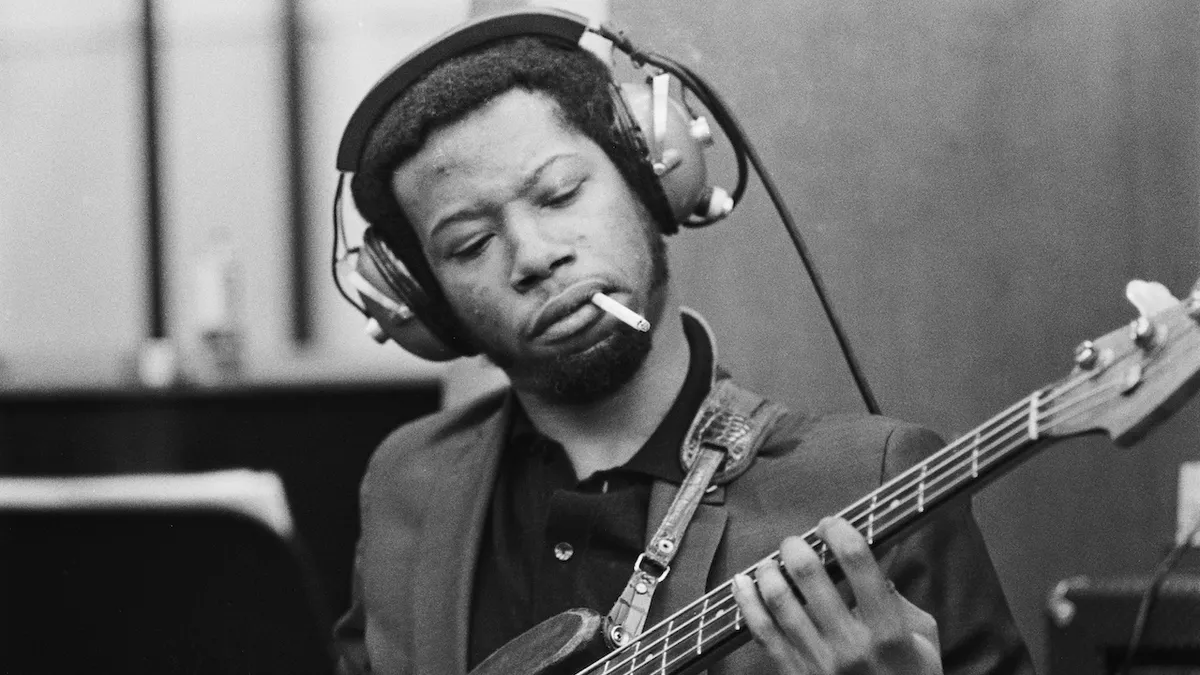
How Jerry Jemmott stayed on top of Aretha Franklin’s Respect, recorded live at Fillmore West in 1971 By Chris Jisi published 29 April 24 Jerry Jemmott plucked his sunburst ’65 Jazz Bass in front of his Acoustic 360 rig
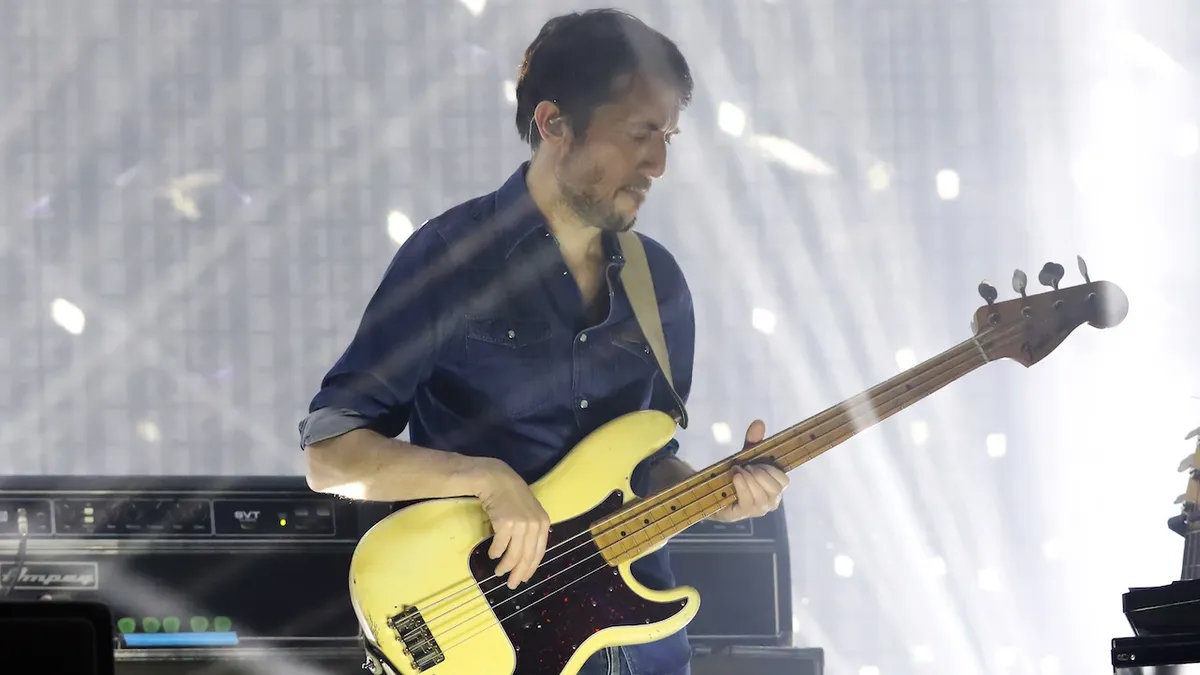
How Colin Greenwood came up with his deceptive stop-start bassline on Radiohead’s Airbag By Nick Wells published 27 April 24 Colin Greenwood’s bassline drives the opener of Radiohead’s OK Computer, even though it contains more rests than licks
Guitar Center’s new CEO explains why the firm’s future must prioritize premium guitars By Phil Weller published 26 April 24 Gabe Dalporto insists the firm needs to “evolve and execute better” in order to survive, and that it has forgotten who its core customer really is
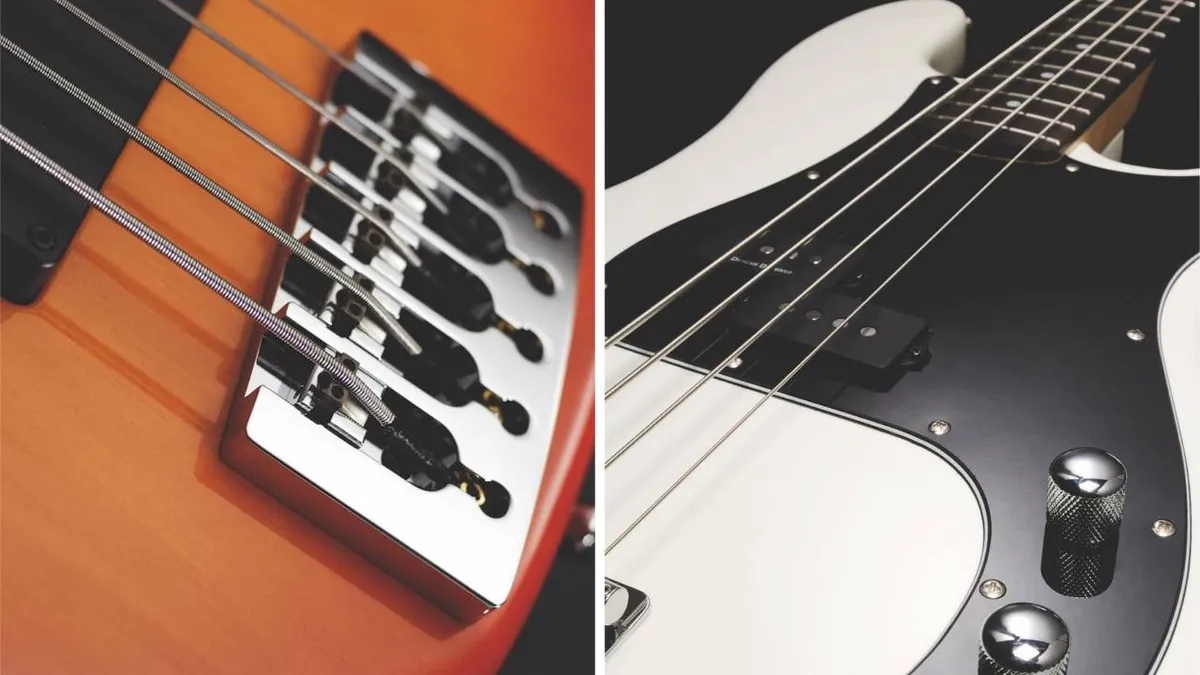
Flatwound vs roundwound bass strings: What’s the difference? By Richard Blenkinsop published 25 April 24 Mellow and warm or bright and snappy? We look at the key differences between flatwound and roundwound bass strings

![Tower of Power [L-R: Greg Adams (trumpet), Mic Gillette (trumpet), Stephen Kupka/Doc/The Doctor (sax), Emilio Castillo (sax), David Bartlett (drums), Lenny Picket (sax), Francis Prestia/Rocco (bass), Lenny Williams (vocals), Bruce Conte (guitar), Chester Thompson (keyboards)] performs on Soul Train episode 126, aired 2/1/1975](https://cdn.mos.cms.futurecdn.net/NnjoDxnJtQojDr6A7hH4XJ-1200-80.jpg.webp)