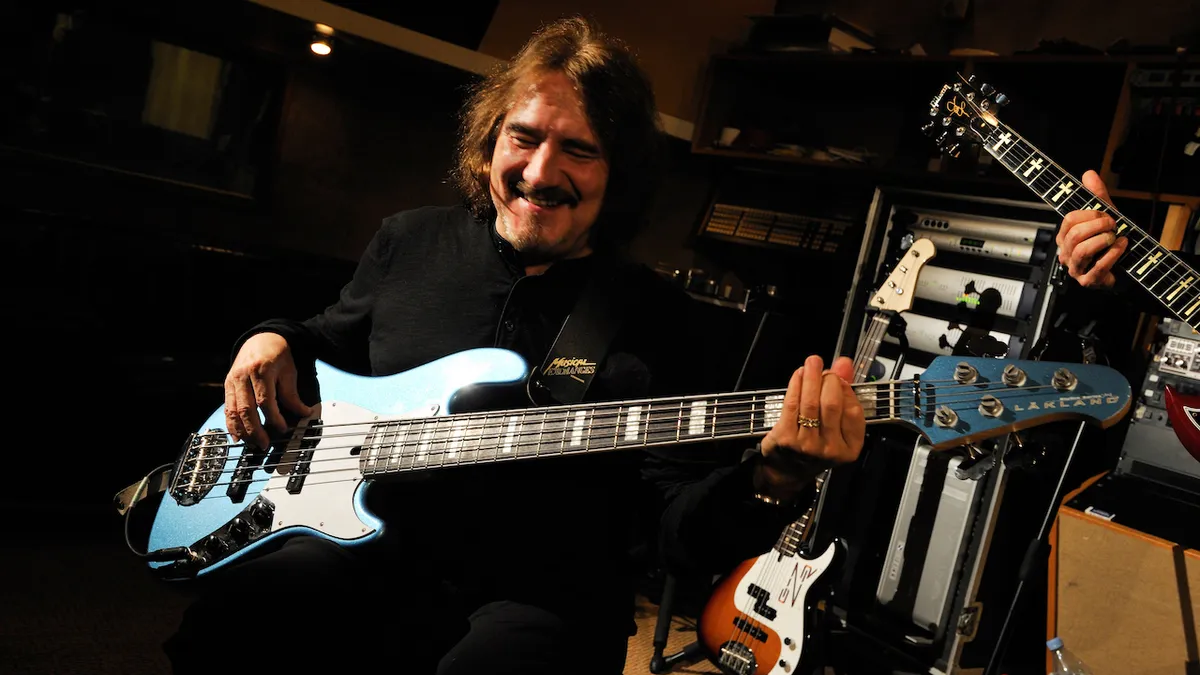
Geezer Butler names the Black Sabbath album that captured his favourite bass guitar tone By Nick Wells published 19 May 24 Geezer Butler’s pioneering bass tone with Black Sabbath helped set heavy metal’s mood before the term even existed
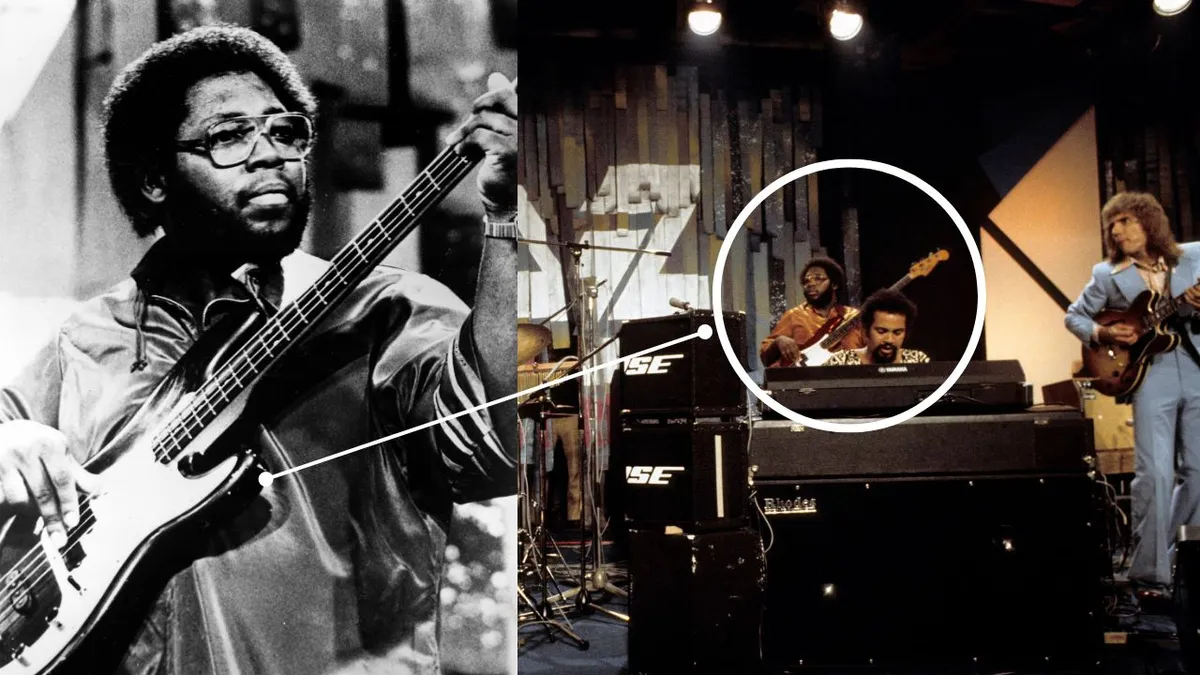
Listen to Robert ‘Pops’ Popwell rip it up on The Crusaders’ Sweet ’N’ Sour By Chris Jisi published 18 May 24 Popwell played a red 1962 Fender Precision, with an added Telecaster pickup near the bridge
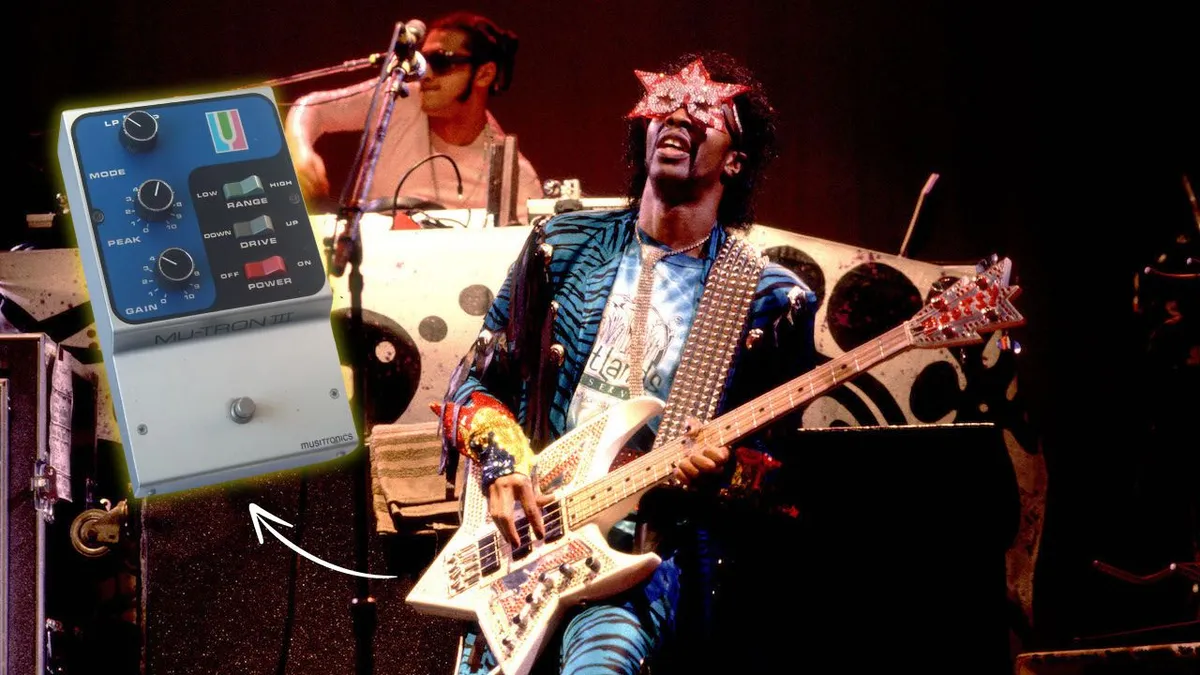
Bootsy Collins piled on the effects on Parliament’s P-Funk (Wants to Get Funked Up) By Bill Leigh published 18 May 24 Bootsy Collins piled on the effects on Parliament’s P-Funk (Wants to Get Funked Up)
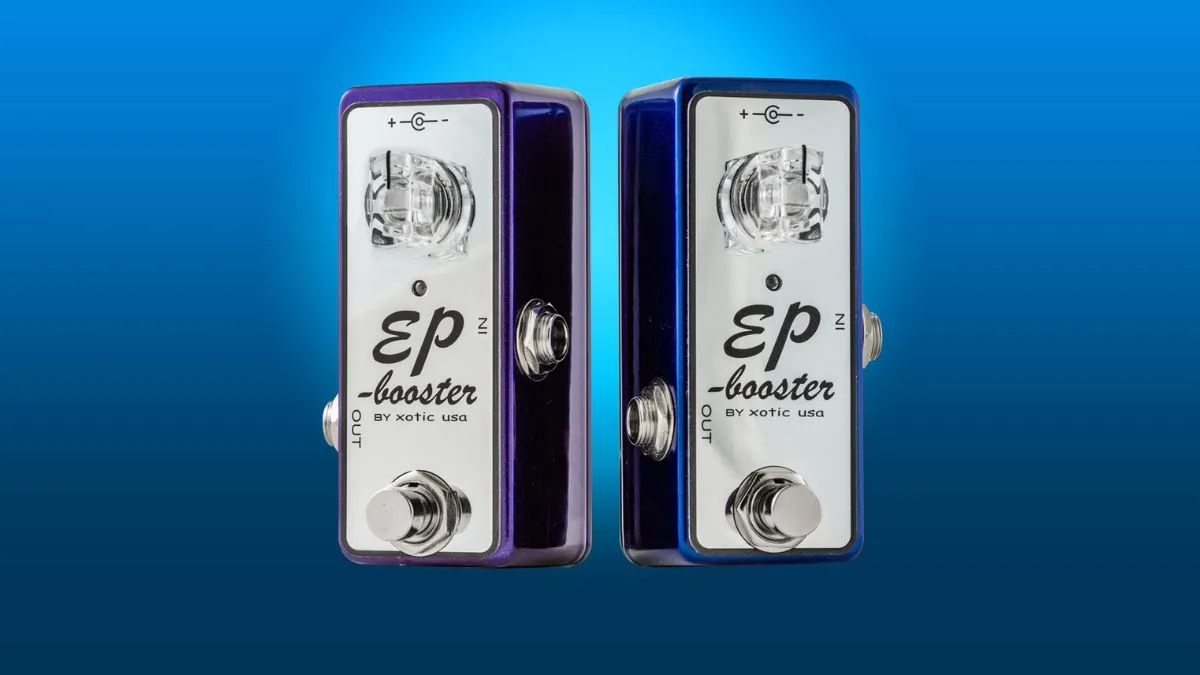
One of the most popular boost pedals on the market has been given a fresh new look By Phil Weller published 17 May 24 Xotic Pedals has introduced a limited-edition version of its EP Booster, with two new colorways to celebrate its 15th anniversary
Boss has teased the third generation of its best-selling Katana amps By Phil Weller published 17 May 24 The Japanese amp and effects giant is hyping “enhanced features and sounds” for its flagship amp as it seeks to land fresh punches in an increasingly competitive market
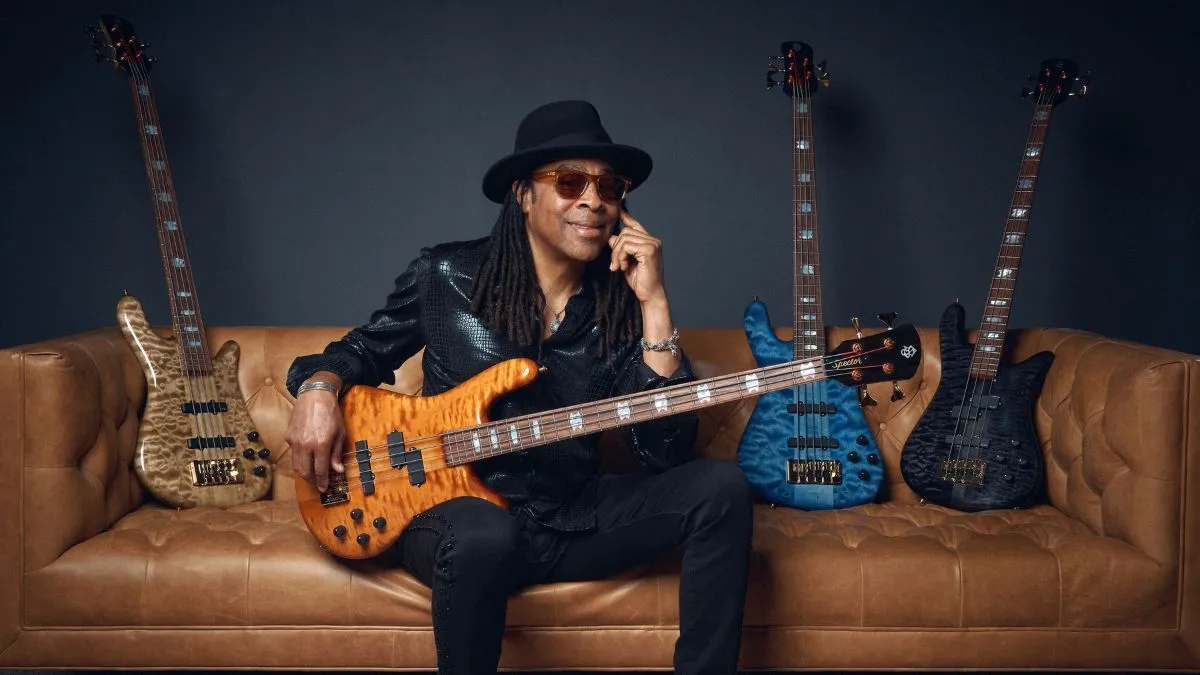
Spector unveils Doug Wimbish USA Custom Series basses, including a replica of his iconic 1987 5-string By Janelle Borg published 17 May 24 With signature EMG pickups and an era-specific headstock design, Spector's new basses promise to deliver “the sound and feel that inspired Doug Wimbish's signature style”
Sam Ash files for bankruptcy after announcing the closure of all its stores By Phil Weller published 17 May 24 The family-run retailer has reportedly started the procedure of auctioning off its assets
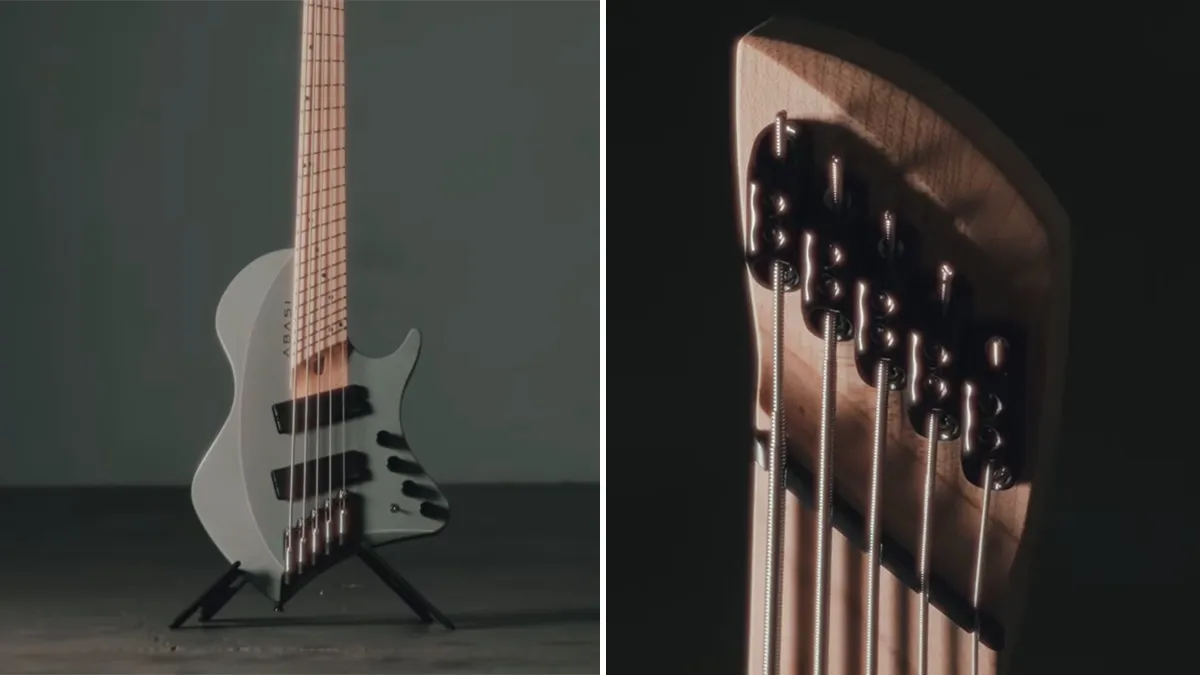
Abasi Concepts has debuted its first-ever bass guitar – ushering in a new headless design By Phil Weller published 17 May 24 Tosin Abasi’s brand has created its first production bass, with the Larada five-string combining a headless design with Fishman Fluence Multi-Voice pickups
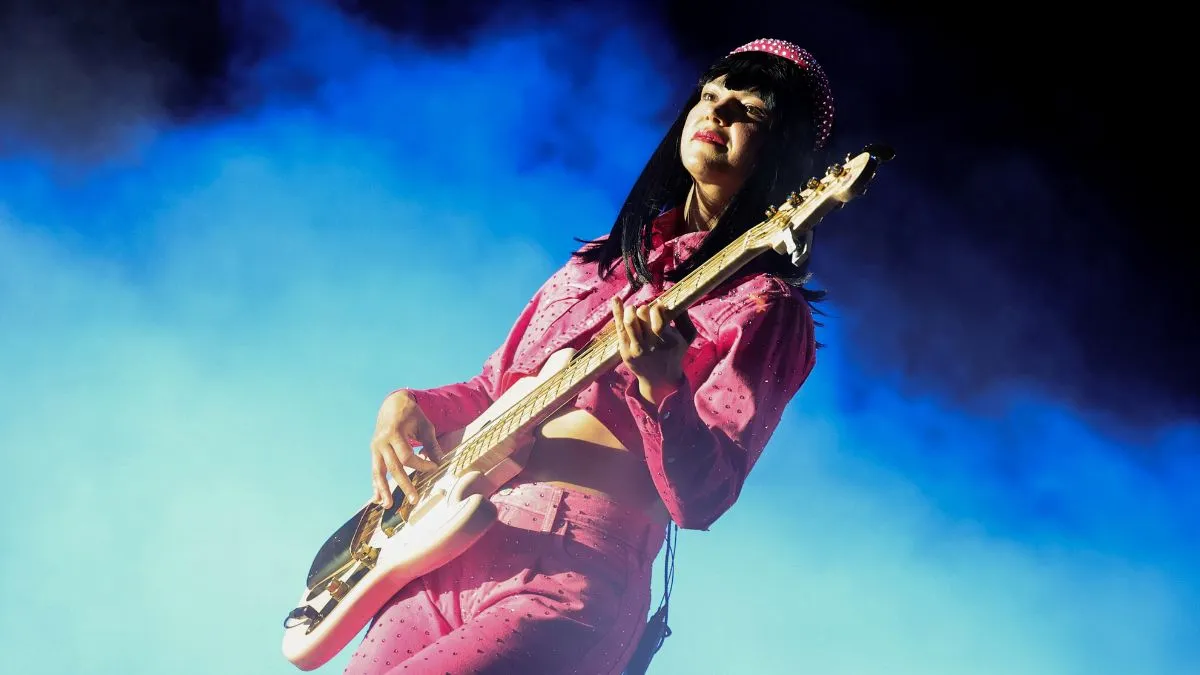
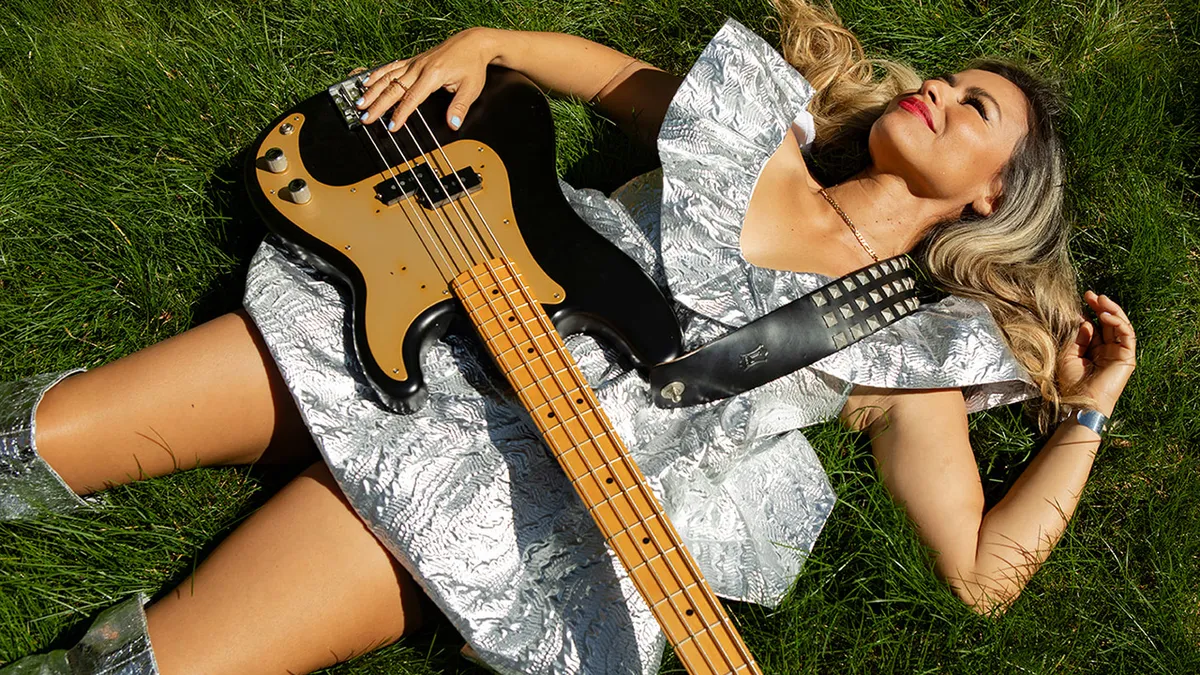
Khruangbin’s Laura Lee explains how her lack of technical bass training works in her favor By Janelle Borg published 17 May 24 Khruangbin’s Laura Lee says a “limitation” in her technique led to Khruangbin's “fun and bouncy” basslines
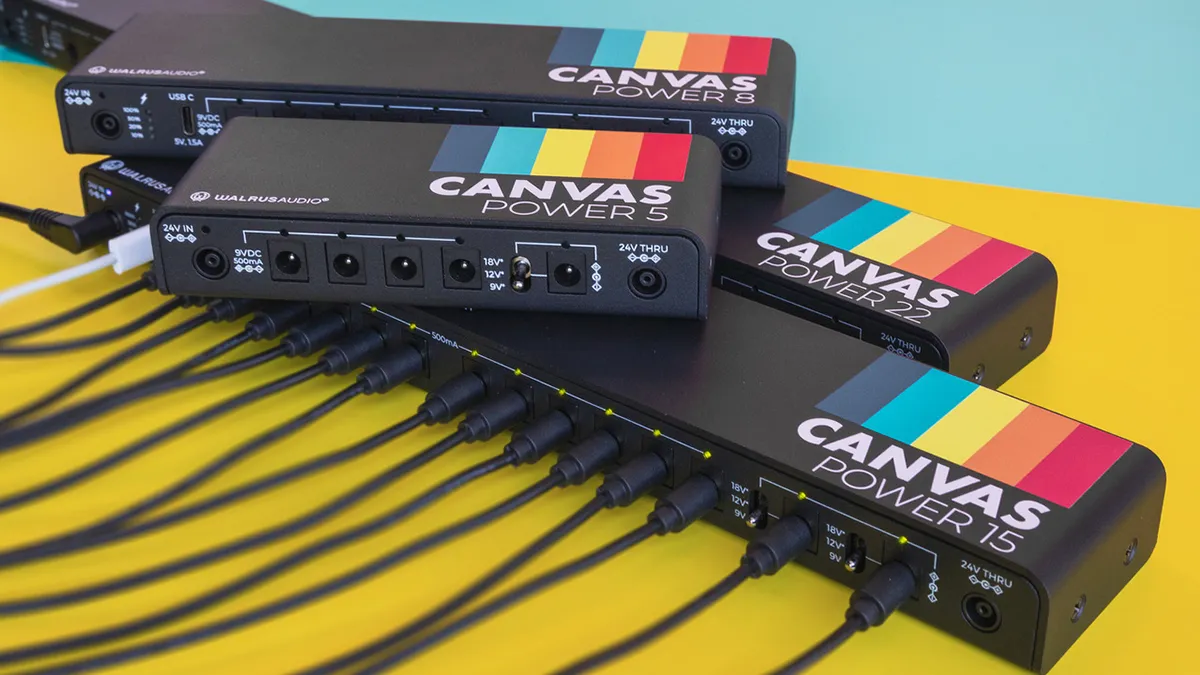
Walrus Audio unveils Canvas Power range of linkable pedalboard power supplies By Matt Owen published 16 May 24 Available in four sizes, the Canvas Power units promise low-noise operation and can be linked to accomodate ever-growing rigs
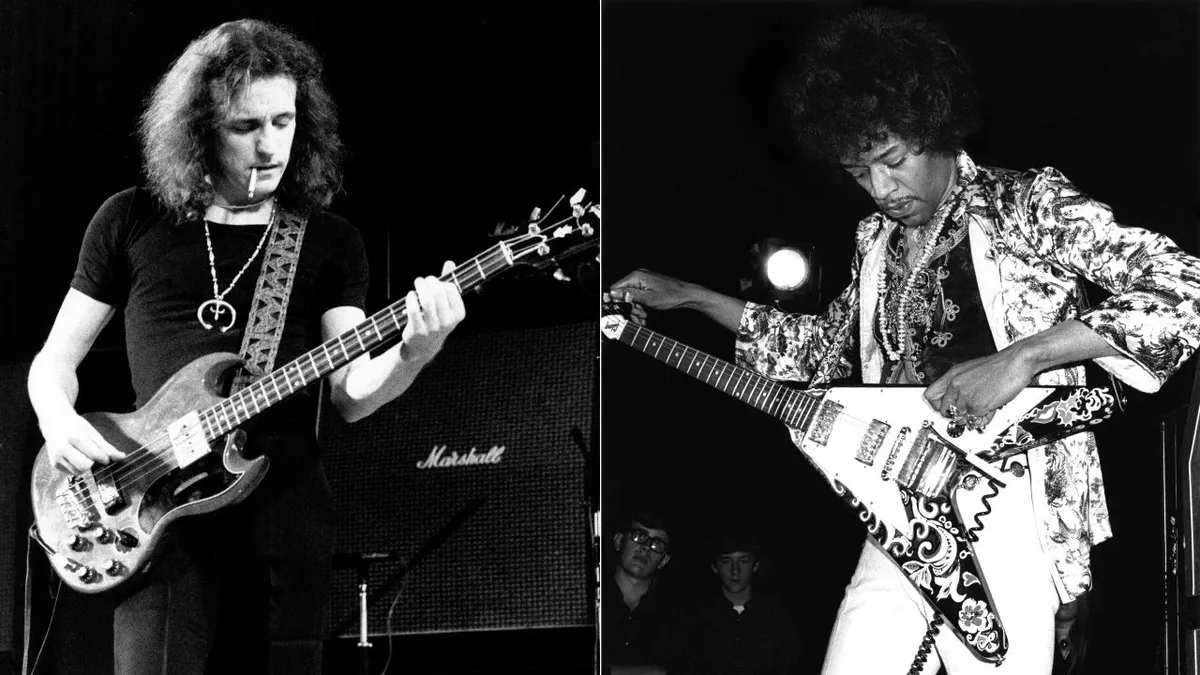
In June 1968, Jack Bruce came close to forming a band with Jimi Hendrix By Nick Wells published 15 May 24 Speaking in 2003, the late Cream bassist Jack Bruce recalled his first encounters with Jimi Hendrix
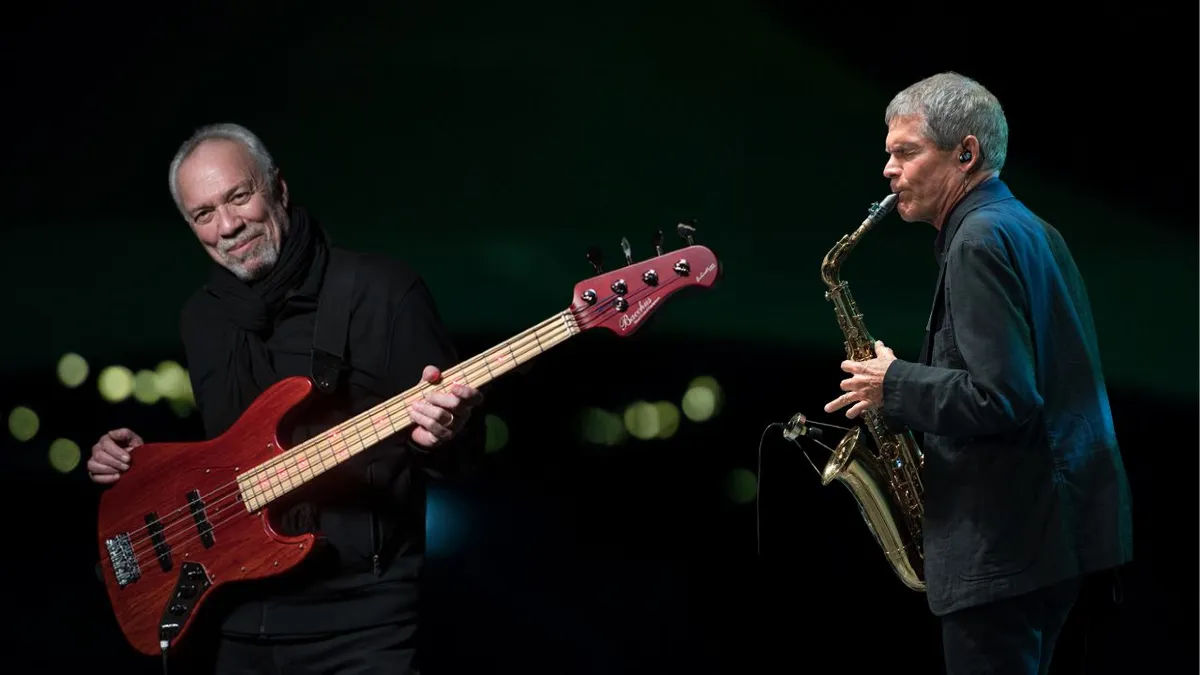
How Neil Jason put on a slap bass masterclass on David Sanborn’s 1979 instrumental classic Hideaway By Chris Jisi published 14 May 24 The studio session for Hideaway took place in early 1979, at Minot Sound, in White Plains, New York
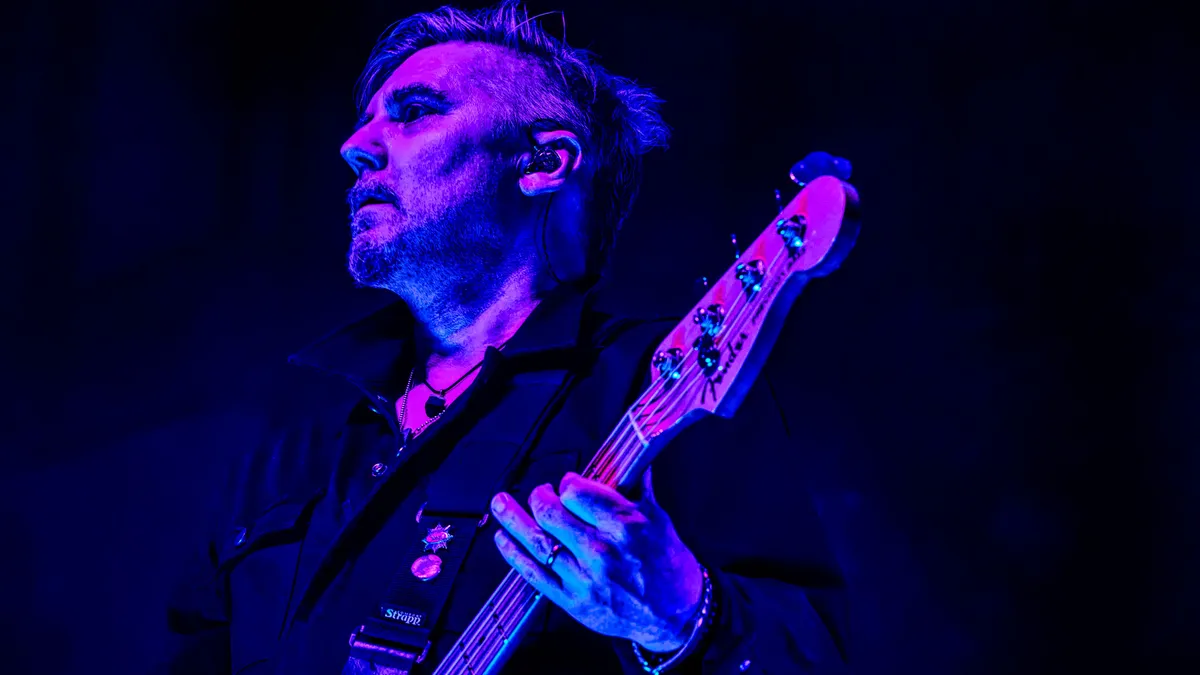
Paul D’Amour opens up on his Tool exit – and his unsung contributions By Andrew Daly published 13 May 24 The current Ministry bassist sets the record straight on his songwriting efforts for classic album Ænima, coaching Justin Chancellor, and what sets his new gear – and new gig – apart
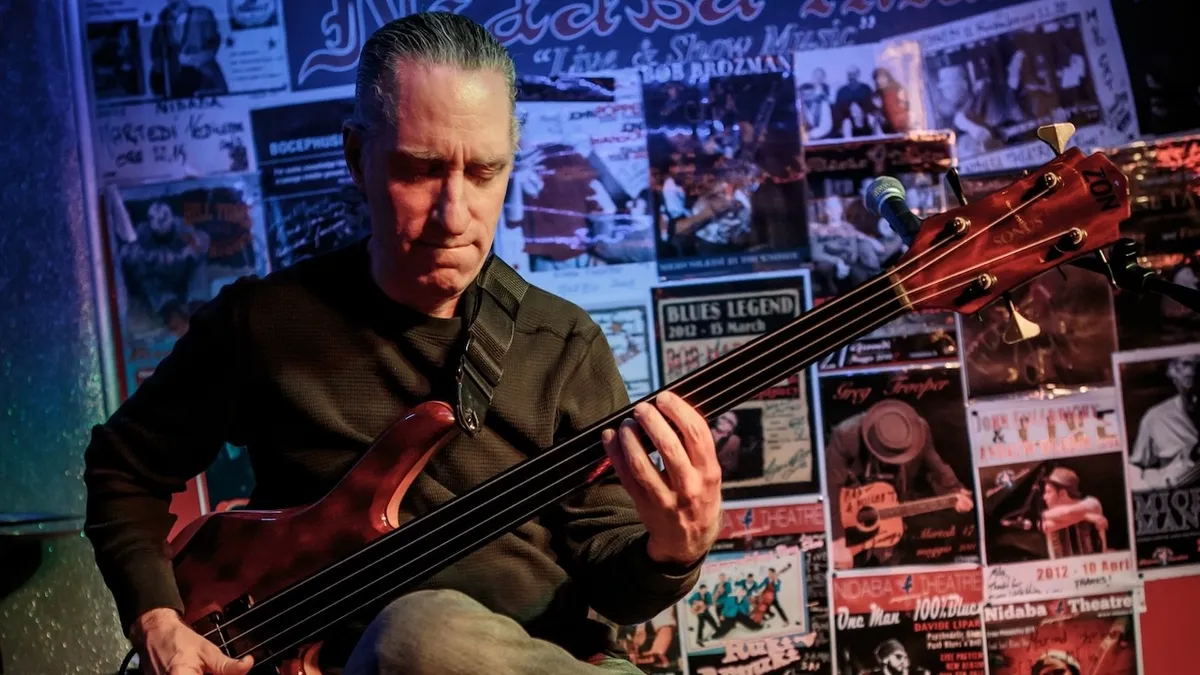
How Michael Manring’s relentless search for new sounds led to the creation of his signature Zon Hyperbass By Nick Wells published 12 May 24 Michael Manring – the solo bass man, session player and tutor on pushing the bass guitar to its limits
“Most bass players are boring… I’m not because I was a guitarist first”: Lemmy on his switch from guitar to bass By Nick Wells published 11 May 24 The Motörhead frontman switched to bass guitar while working as a roadie for Hawkwind
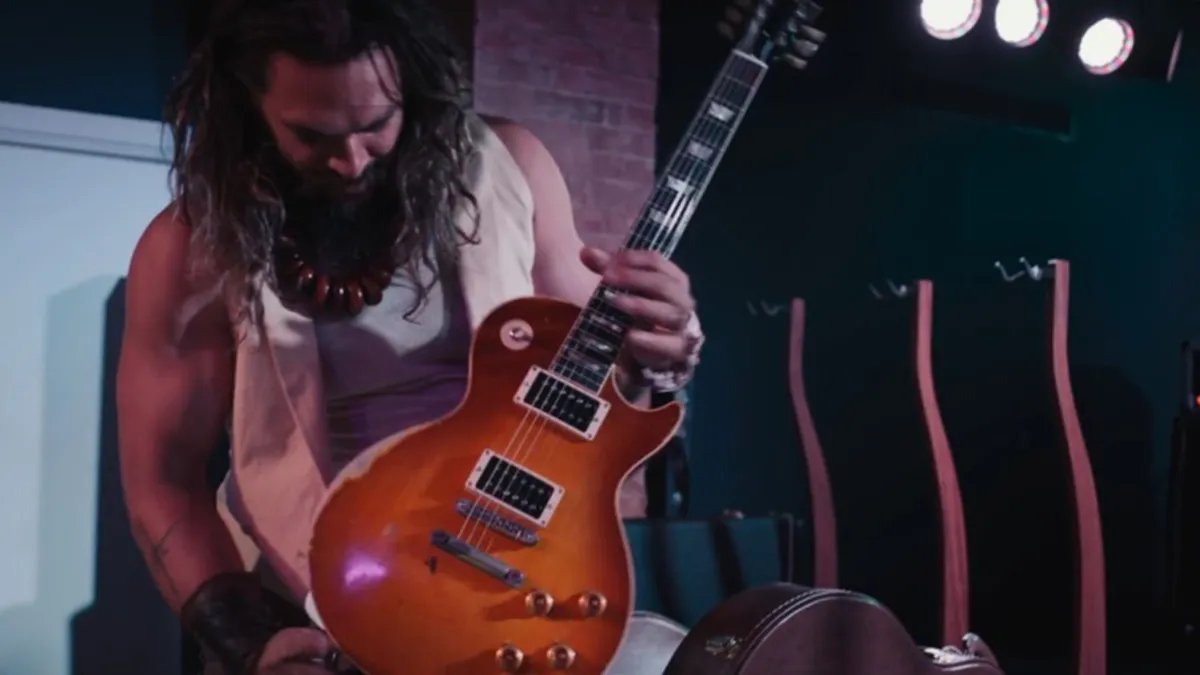
Jason Momoa is auctioning off a host of Gibson and Fender Custom Shop guitars and handmade basses By Matt Parker published 10 May 24 The instruments are all being sold to raise money for a host of charities, having featured in the actor’s On The Roam series
Ginger Pooley reflects on her time with the Smashing Pumpkins – and why she had to give it up By Andrew Daly published 10 May 24 Before she returns to action with Garbage, Ginger Pooley reveals how she went from teenage Pumpkins obsessive to landing the bassist spot alongside Billy Corgan, the challenge of quitting the band she loved, and what she learned along the way
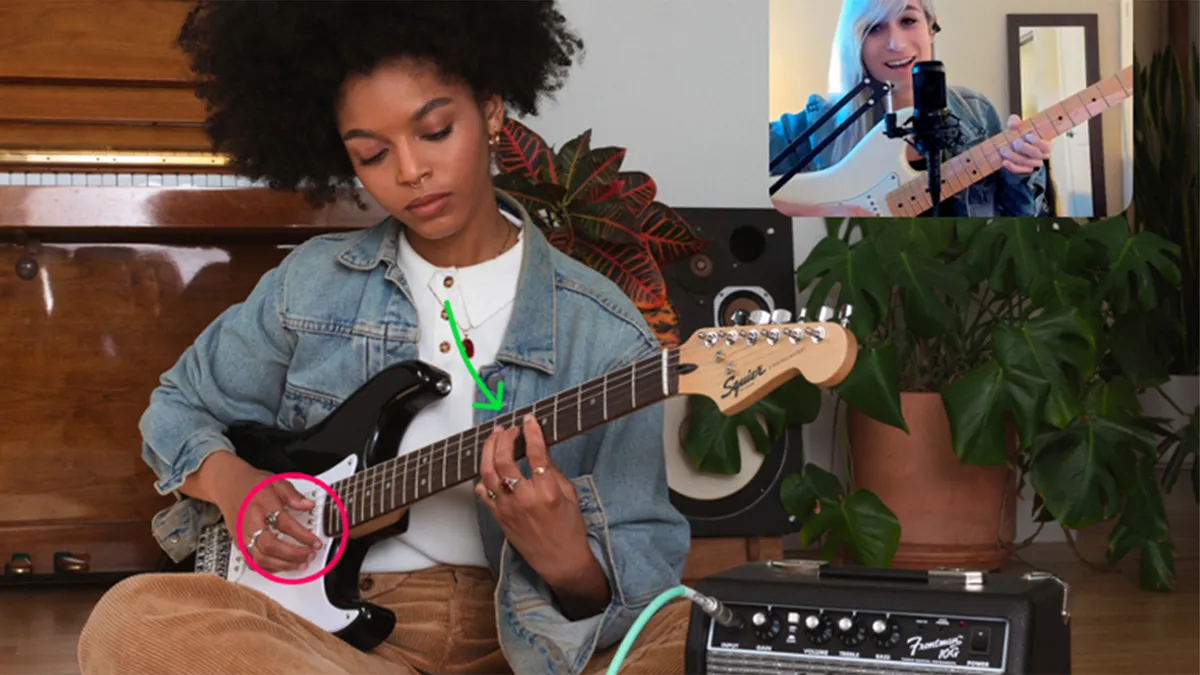
Fender Play 1:1 will offer “personalized one-on-one lessons with top instructors” By Matt Parker published 10 May 24 Fender has teamed up with coaching specialists Blayze to help augment its popular learning app
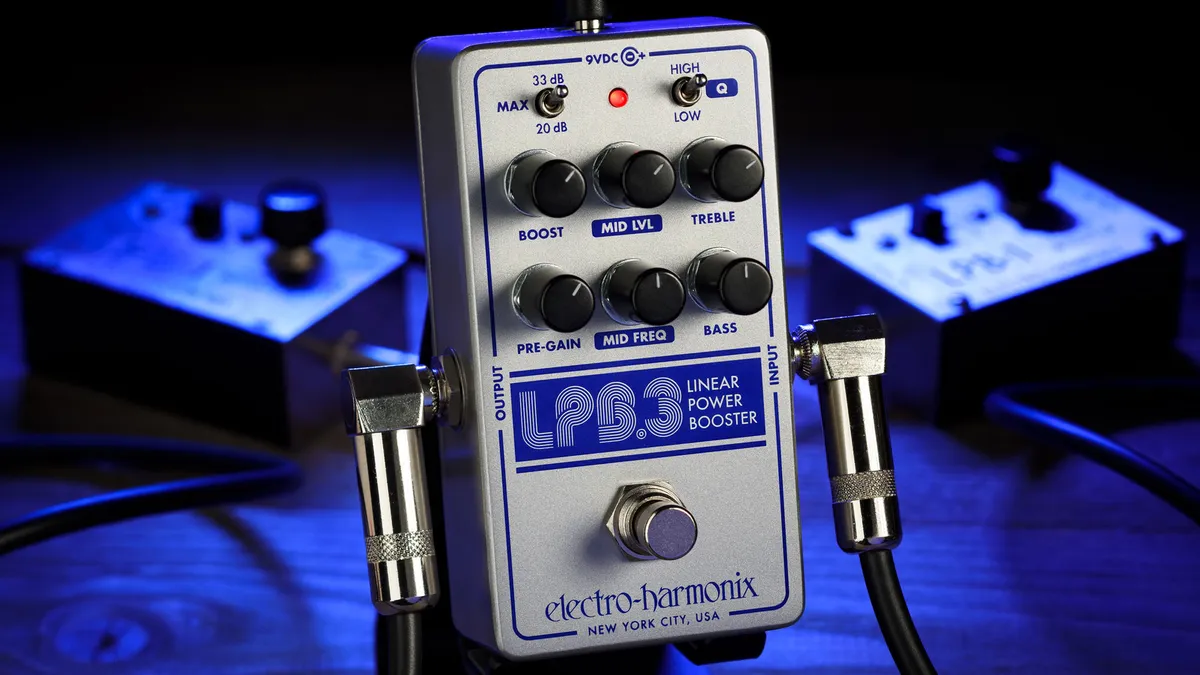
Electro-Harmonix has reimagined the 1968 effect that launched the brand as a tone-shaping powerhouse By Michael Astley-Brown published 10 May 24 The LPB-3 Linear Power Booster is loaded with features, and could radically change your guitar sound for the better
Three of the biggest guitar and bass YouTubers are going on tour to ‘Escape the Internet’ By Janelle Borg published 9 May 24 The aptly titled Escape The Internet Tour sees three YouTube guitar and bass behemoths tour together for the first time