Wake The Keeper: Trevor Bolder Speaks Out On His Career With David Bowie & Uriah Heep

 
,Oct 31, 2008


Born on June 9, 1950, in Hull, England, Bolder heard the sounds of skiffle, early rock, and the big band jazz of his trumpet-playing dad. This led to trumpet lessons at age nine, and school brass bands. When the Beatles and Stones hit, Bolder and his older brother bought guitars and started a band. Trevor ended up on a Burns solidbody bass, picking up tips from his brother’s guitar teacher and the upright bassist in his dad’s big band. Deeply into the blues, the group covered Muddy Waters, Sonny Boy Williamson, and John Mayall & the Bluesbreakers. Soon, Bolder was adding the influences of Paul McCartney, John McVie, John Entwistle, and his main inspiration: Jack Bruce. “I saw Jack with Cream, and he just blew me away with his energy—plus he sang. I got Fresh Cream [Polydor, 1966] and sat for hours in my bedroom with my bass and amp, playing along. Jack has a great melodic sense from his cello background, but he also lays it down with a heavy feel. I’d been a solo cornet player in brass bands, so I could relate.” He laughs, “Through Jack I developed my style, which was to push it a bit further and probably play a little more than I should have!”

Making his way through the various bands in musically rich Hull, Bolder hooked up with guitarist Ronson, leading to his stint with Bowie, the self-described Chameleon of Pop.

How did you come to join David Bowie's Band?

Mick Ronson and [drummer] Woody Woodmansey had done Bowie’s The Man Who Sold the World album, and they came back to Hull, not wanting to do the Bowie gig anymore. They started Ronno and asked me to play bass. But then Bowie called them because he needed a band to do the John Peel radio show, so I tagged along for the ride. [Session legend and “Space Oddity” bassist] Herbie Flowers was supposed to do the date, but he couldn’t make it. So Bowie said to me, “You’ll have to play bass.” I asked how many songs, and he said, “Eight!” I spent all day learning them, and the next day we did the show. Six months later we came back down to London to record Hunky Dory. I used mainly a Gibson EB-3 through my time with David, trying to get the big sound Andy Fraser got on it, with Free.

How did you come up with your bass parts for Bowie?

It was a challenge, first because it was lighter music than I had been used to playing. And to teach you his songs, he’d come in with an acoustic guitar and say, “Okay, play along.”

As a result, a lot of the bass lines sort of had to come off the top of my head. We’d get maybe two run-throughs and then we did the take. We had a bit of rehearsal time for Ziggy Stardust, but for much of Aladdin Sane, it was the same on-the-spot situation. David had written “The Jean Genie” on the back of a Greyhound bus on tour in America. We went into RCA Studios in New York to record, and he started playing the song. Well, as soon as I heard his opening guitar riff I thought, That’s “I’m a Man” by the Yardbirds, which I had played in blues bands. So I took [Yardbird bassist] Paul- Samwell Smith’s triplet line and extended it, and that’s what you hear at the beginning of “Genie.” Sometimes we’d listen to David and write down chord sheets and then follow those while coming up with parts. When we did Live in Santa Monica ’72 [just re-released on EMI], I had to learn Tony Visconti’s bass lines on The Man Who Sold the World; I learned the notes and then tried to make the parts my own. Overall, I’d say my favorite tracks with David were “Quicksand” [Hunky Dory] and “Moonage Daydream” [Ziggy Stardust].

You’ve said your style really came together when you joined Uriah Heep.

I think so, yes. I wasn’t really doing anything in 1976, when Woody, who was in a band on the same label, called me to say Heep was looking for a bassist. I auditioned in London and got the gig. What I liked was they were a blues-influenced heavy rock band, but with a melodic side, as well— with the big vocal harmonies. So I could play heavy, but there was also plenty of room to move about as a melodic-minded bass player. I had checked out the playing of Gary Thain and John Wetton before me, and they had no restrictions. Gary was especially busy; I’d get worn out following his parts up and down the neck! When I joined Heep, it was like I’d been there before; that’s the best way to describe it. They let me be myself. A good example is the solo I’ve been playing live for years, on “July Morning” [from Look at Yourself, Mercury, 1971]. That just happened; no one ever said to take a solo—it simply developed.

Let’s discuss your technique.

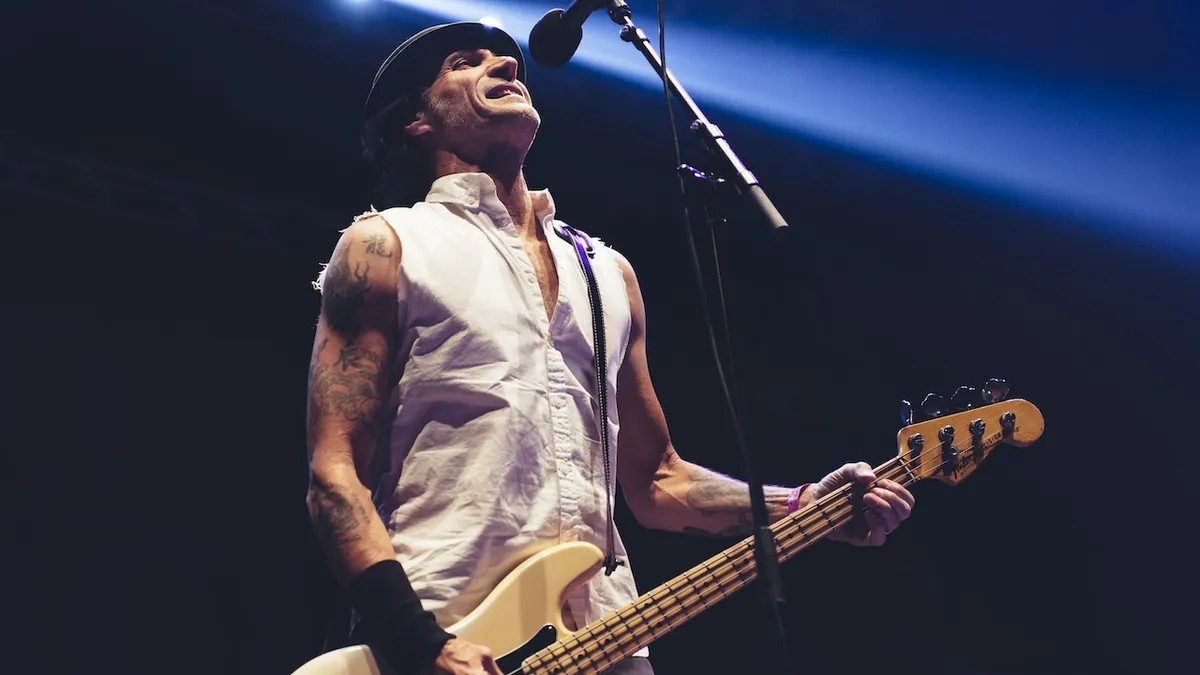
I use a finger-per-fret in my left hand, and I pluck with three alternating fingers—index, middle, and ring—in no particular order. I strike the strings with the tips of my fingernails. I’ve used my ’71 P-Bass on just about every Heep album and concert, so the body is worn away under the strings from my nails. I just have strong nails; they wear away a bit, but they grow back. I don’t slap or pop, but I use a pick occasionally, and I like to bend up the G string at times. As for my right hand, I pluck all the way back by the bridge, and I favor the J-Bass pickup I had put on my P-Bass, so I can get a punchy, penetrating sound. When I was in brass bands I had a teacher who was a master euphonium player, which has a beautiful, cello-like tone. I always think of that tone when I move up the neck.

I do a lot of the background vocals on the albums because I have a big, strong voice—but when we go to play the tunes live, if I have an involved bass part, I can’t quite sing what I’ve recorded. Someone else usually has to cover my vocal part.

How about the hookup between bass and drums?

Well, the drummers I’ve played with the most are Woody [Woodmansey], who’s great, and with Heep it was mainly Lee [Kerslake], who was quite amazing. He’s a heavy power drummer who played with Ozzy Osbourne and really laid it down. I knew every fill he would play, so when he’d start one I’d know where he was going, and I’d go with it—and vice versa. Lee has been ill and had to take a leave from the band. In his place, Russell [Gillbrook] is terrific; he hits hard and lays it down, but he’s even more technical, the result of being a teacher who reads music and plays all styles. He plays perfectly in time, which is great because I tend to push. I listen to his kick drum to lock in a pattern, but mostly what I listen to is his snare; he plays all these subtle, clever variations that give me ideas for my parts.

How did Wake the Sleeper come together, and how did you come up with your parts?

We had gotten fed up with record companies, which is why we hadn’t done a studio album in so long, but Sanctuary approached us—and along with Universal, they’ve been extremely supportive. We wrote for a few weeks and then went into rehearsals with our producer, Mike Paxman, to flesh out songs and ideas. My parts came in the usual way, off the top of my head; you start playing and you think, Well, I can play eighth-notes here, or a nice melodic line there— whatever suits the song. And with each take, you refine and improve it slightly. Plus, live I always open up my parts a bit more. That’s how I drive the band. I really dig in; within ten minutes I’m soaked through with sweat. I still have that Jack Bruce ethic: Play hard and melodically, and don’t just plod away in the background.

What tracks stand out for you?

“Shadow” is cool; it has an old Free or Cream feel—slightly funky and bluesy. We were struggling with the groove until I came up with my Andy Fraser-like bass line; that locked everything else in place. My solo at the end of “Book of Lies” was a funny story: We were all in the control room listening, and someone said, “What are we going to do for the rideout?” Our keyboardist, Phil [Lanzon], jokingly blurted out, “Bass solo,” and everyone said, “Yeah, off you go!” So I went back into the room and overdubbed whatever came to mind. My two songs, “Angels Walk With You” and “War Child,” were fun. I wrote them in my usual way: Start with a chord sequence on guitar, listen until a melody comes to mind, and then write the lyrics last.

What other bassists have caught your ear?

Jaco, of course; he came along and hit the nail on the head as to what the instrument could really do and really sound like. I still listen to McCartney with the Beatles, Entwistle with the Who, and Jamerson on Tamla/Motown; some of his bass lines are better than the songs! I love Pino Palladino, who is a longtime mate of mine. I heard some incredible multi-bass tracks by Michael Manring. And I still have my Ray Brown method book; I got to meet him as a kid, through the big band guys my dad played with.

Where to from here?

Heep will keep on rolling. It’s really a family band—everyone gets on so well. Other than that, I still want to do a solo record; I’m putting my home studio back together. Generally, I’d like to write and play in different styles when I’m away from Heep. There might be other genres I’m good at that I don’t know about; any change refreshes you and makes you a better player. I look forward to the inspiration.

GEAR

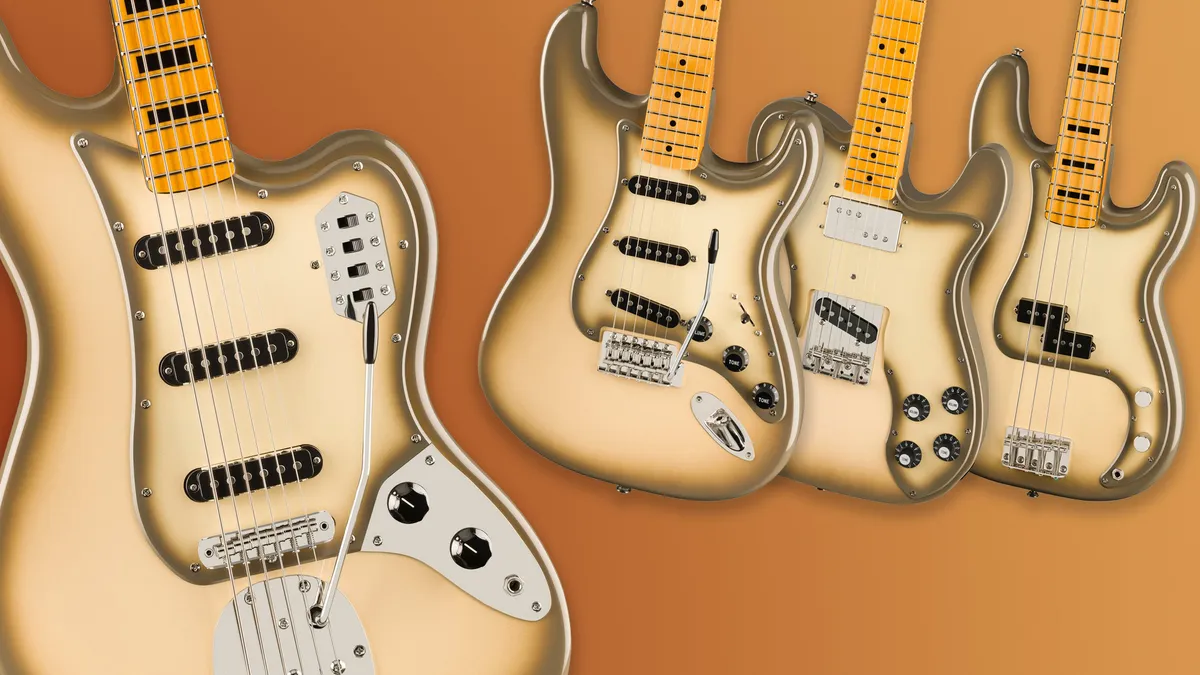
Basses 1971 Fender Precision (with maple board and added J-Bass bridge pickup); D’Alegria Defender JB Bass; D’Alegria 5-string; fretless Vigier Excess; Godin acoustic bass guitar
Strings Picato 766LM Stainless Steel mediums, .040, .060, .075, .095.
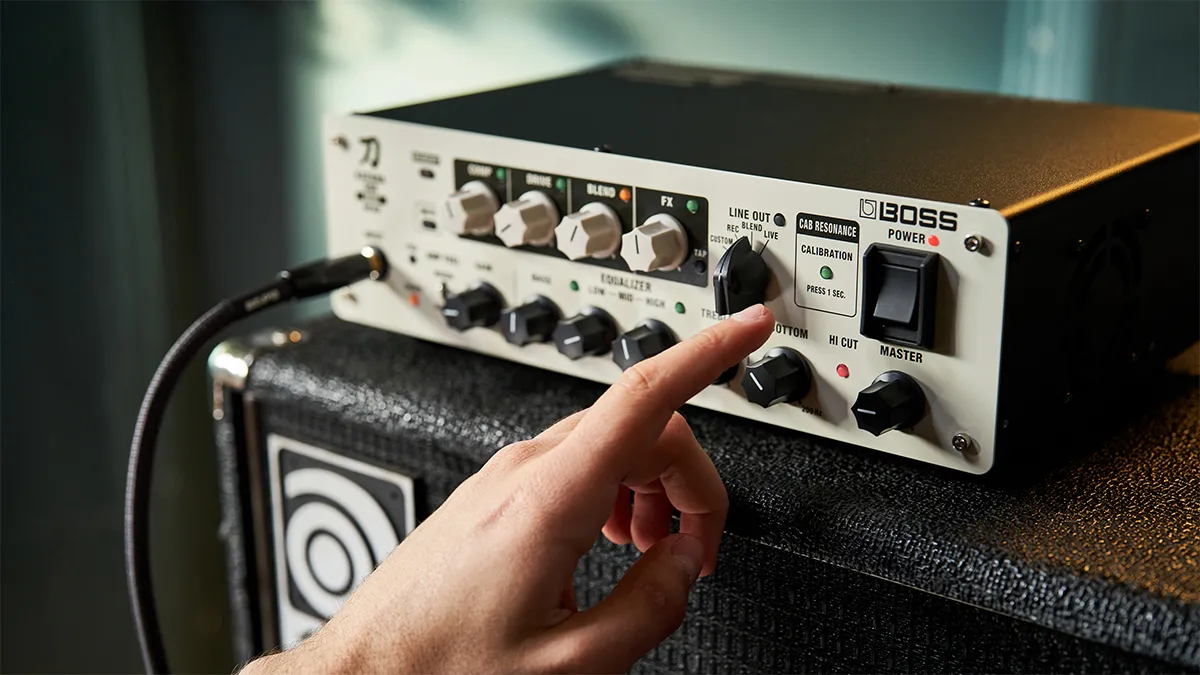
Amps “At the moment I’m using rentals on tour—mostly Ampeg SVT heads and 2x15 and 8x10 cabinets.”
Effects Boss OC-3 Super Octave and CEB-3 Bass Chorus pedals
Recording & monitoring “On Wake the Sleeper, I recorded my P-Bass, D’Alegria, and a borrowed 5-string both direct and through a miked SVT head with a 4x10 Ampeg cabinet. Live, I get bass strictly from my rig; I have my vocals in the front wedges and lead vocals, bass drum, snare, hi-hat, guitars, and keys in the side fills.”

SELECTED DISCOGRAPHY

With Uriah Heep Wake the Sleeper, Sanctuary; Acoustically Driven, Classic Rock Legends; Sonic Origami, Spitfire; Conquest, Castle; Sea of Light, HTD; Innocent Victim, Castle; Firefly, Warner Bros. With David Bowie (all on Virgin/EMI) Live in Santa Monica ’72; Pin Ups; Aladdin Sane; The Rise and Fall of Ziggy Stardust and the Spiders From Mars; Hunky Dory. With Wishbone Ash Twin Barrels Burning, Castle. With Mick Ronson Slaughter on 10th Avenue, Original Masters. With Spiders From Mars Spiders From Mars, Pye.


Leave a Comment
Name:
Location:
Average Rating :
 

Alan Parsons Art and Science of Sound Recording Series

The New Golden Age Of Metal, The Complete Interviews

William Murderface Of Dethklok

Steve DiGiorgio, Extreme Metal Session Ace

Sharlee D’angelo of Arch Enemy


What's your take on modern metal?
 
Subscribe Live Bookmarks Advertise Contact Us Privacy Policy Terms & Conditions


Bass Player is a trademark of New Bay Media, LLC. All material published on www.bassplayer.com is copyrighted @2009 by New Bay Media, LLC. All rights reserved